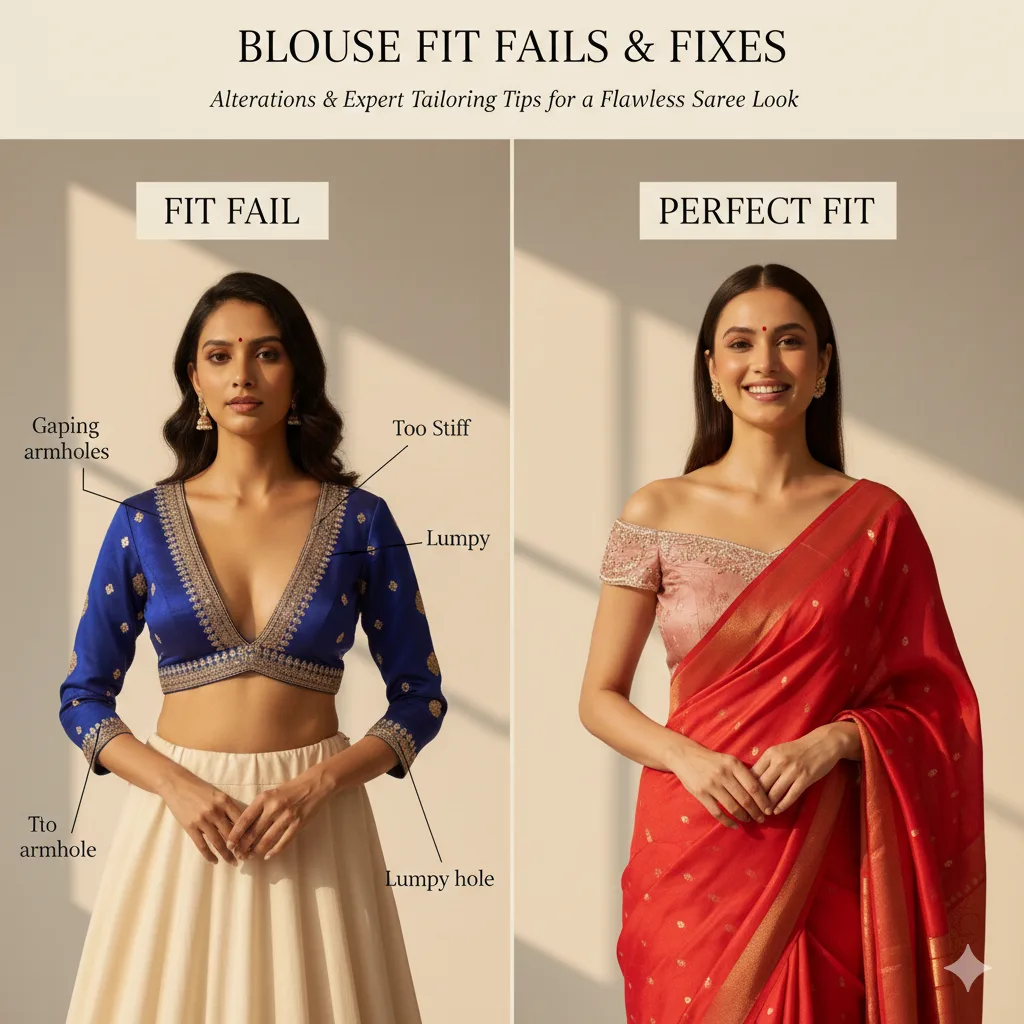

A perfectly correct blouse design can change your saree from bland to straight-up fabulous. And if the fit is off, by even an inch or two, your comfort level, confidence level, and entire vibe suffer in tandem. Gaping neckline, stiff sleeves, lumpy armholes — the blouse fit fails are all too common. Silver lining? Nine times out of ten, they have easy remedies.
In this blog, we will address the most common blouse fit problems and fix them like experts—either through alteration, clever tips for tailoring, or dressing tips. Blouse-ify yourself for a saree party, let’s do it!
1. Blouse Too Tight Around Bust Area
The Problem:
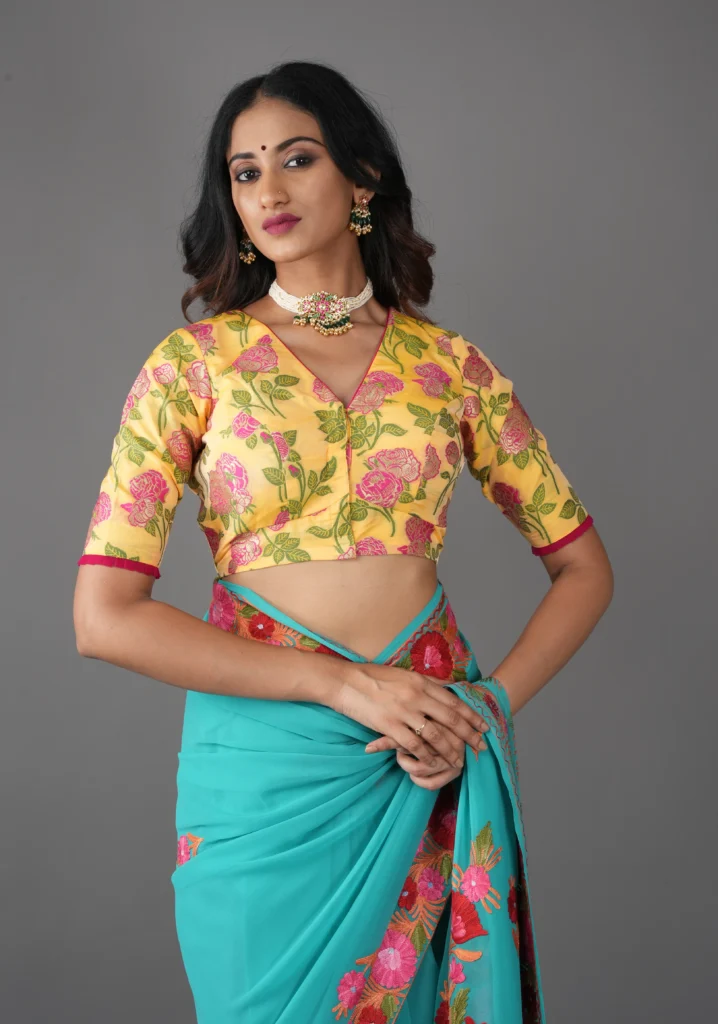
Another very common problem of this kind is when the blouse is too tight around the bust. Open buttons, frustration, and a poorly fitting blouse are the consequences.
Solution:
- Add side panels or extra margins: Tailors provide a 1-2 inch margin inside the blouse. If possible, have your tailor let it out.
- Add a stretch panel: A lycra soft panel at the back or sides gives stretch without ruining the design.
- Utilize front hooks/zips in lieu of buttons: They give neater look and share tension evenly.
Pro Tip:
Always use the same kind of bra you will use with the saree when trying on the blouse. It is a difference!
2. Loose or Gaping Neckline
The Problem:
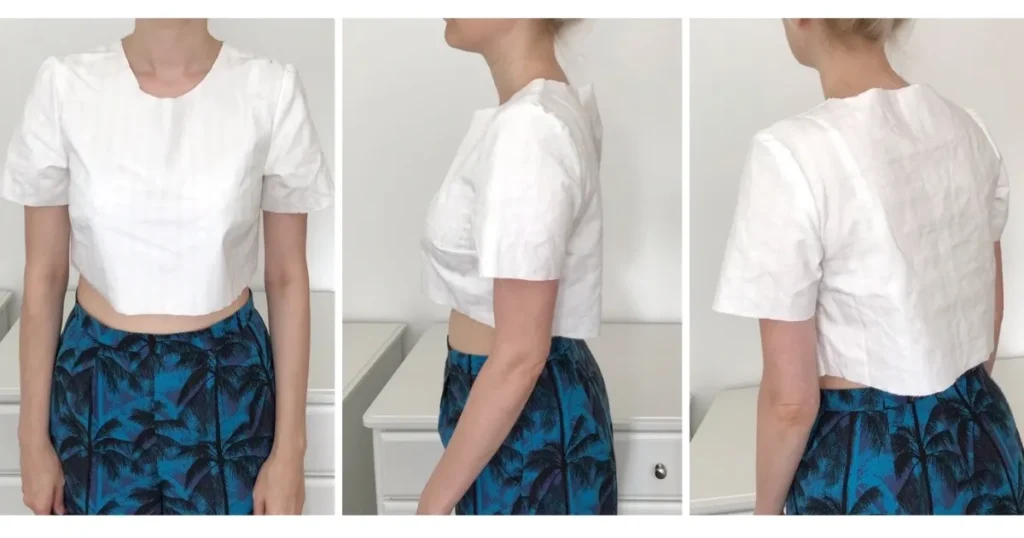
Gapping of the neckline at the bust or shoulders can be unpleasant and convey unnecessary discomfort, especially if you’re readjusting it throughout the day.
Solution:
- Shoulder seams tightened: Reducing a bit at the shoulders will bring up the neckline.
- Add princess seams or darts: These give the blouse shape to fit, especially when you have a small bust.
- Use fashion tape: Double-sided fashion tape is a method of holding the neck in place for quick repairs at parties.
Pro Tip:
Use stiffness or lining fabrics so that they hold their shape—especially needed for plunging necklines.
3. Ill-Fitting Sleeves
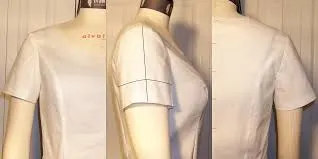
The Problem:
Constricting sleeves hinder movement, whereas loose sleeves are sloppy and crumpled.
Solution:
- Loosen or take out sleeves: Alter binding sleeves by unscrewing seams. For an accentuating effect, try taking out with cap sleeves, puff sleeves, or removing sleeves entirely.
- Add gussets: Small diamond patch of fabric under the arm provides more arm room in binding sleeves.
Pro Tip:
When sewing new, always have your arms held up at a fitting. If it binds then, it’ll definitely be binding later!
4. Back Opening Bulges or Creases
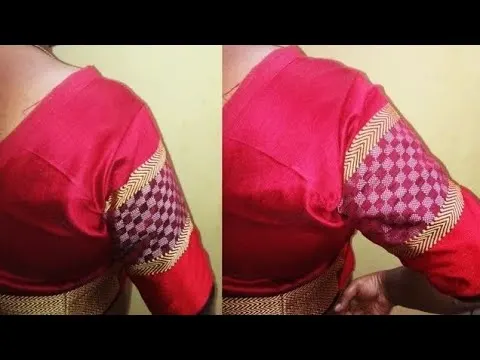
The Problem:
If your top has hooks or a zip at the back, you can have lumpy bulges or creases near the fastenings.
Solutions
- Mis-alignment check: At times the zip or hook is not the same height as the bust. Re-alignment can reduce pulling and creases.
- Smoothen using interfacing: Interfacing or insertion of lining assists in giving firmness to the back panel, hence reducing puckering.
- Insert side seams or boning: Invisible boning near the fastener gives a sleek silhouette—ideal for backless or strapless dresses.
5. Shoulder Slippage
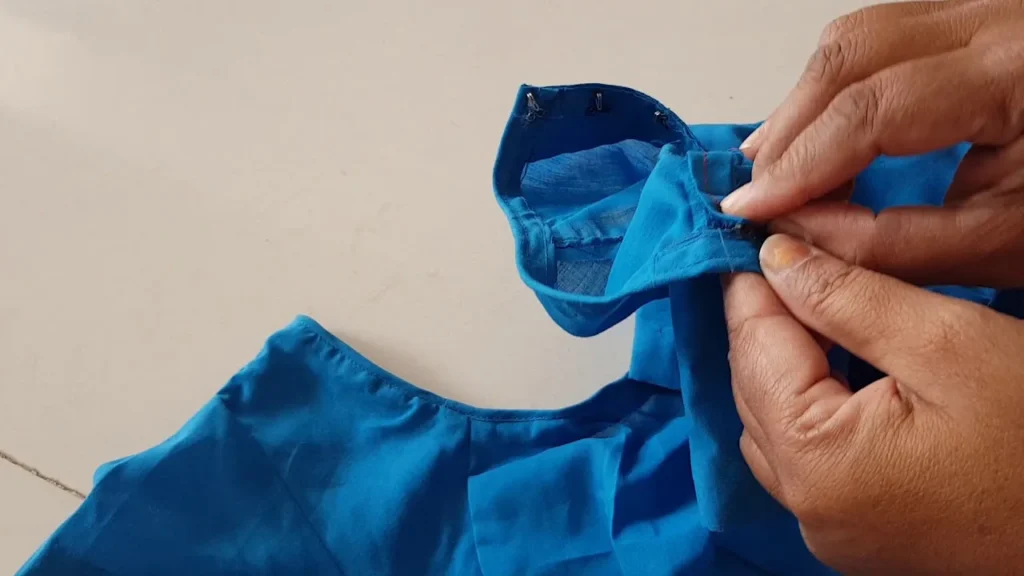
The Problem:
Blouses falling off your shoulders, especially with boat or wide necks, is frustrating and style-shaming.
Solution:
- Use shoulder grips or bra strap holders: Sew-in silicon shoulder grips or elastic loops give the blouse the support it badly needs.
- Bring shoulder seams in: Slight tuck at the shoulder seam keeps the fit under control.
- Rely on tie-up styles: Dori (tie strings) blouses with low backs have better grip and reduce slippage.
6. Blouse Riding Up
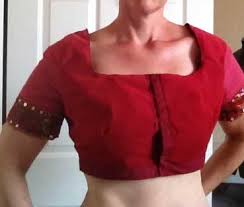
Problem:
Blouse riding up, especially when wearing silk or satin sarees, results in unsightly creases and destroys the drape.
Solution:
- Utilize blouse hooks at waistline: Pin your blouse against the petticoat or saree waistband.
- Use longer blouse lengths: Take advantage of 1-2 inches extra in length for a tighter grip.
- Avoid slippery lining fabrics: Use cotton or matte linings that won’t move around.
7. Armhole Irritation
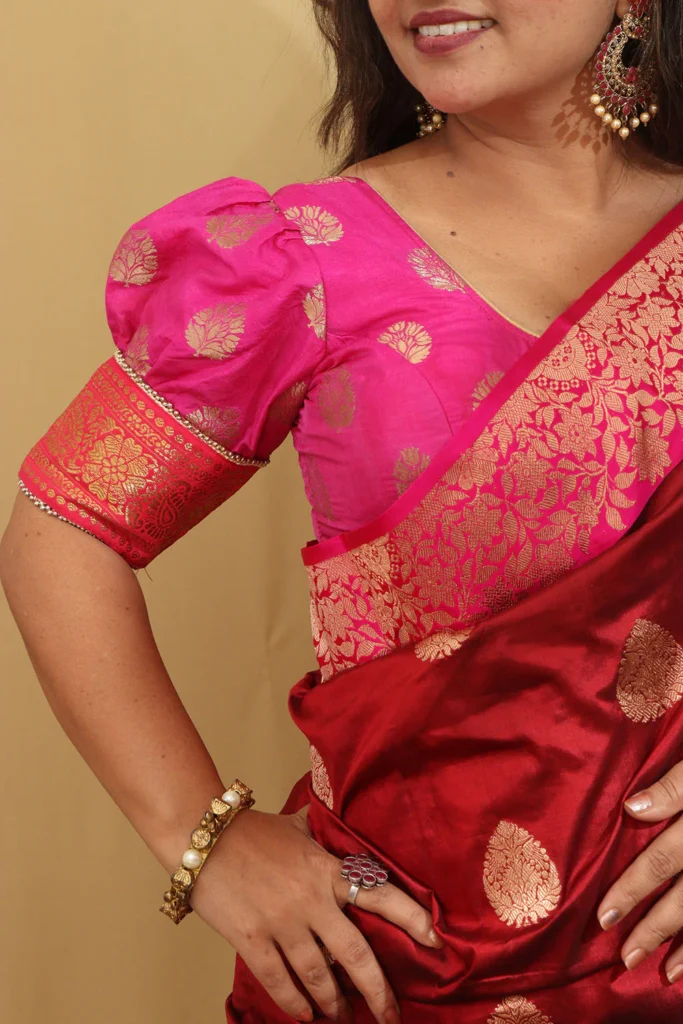
The Problem:
Irregularly shaped or tight armholes rub against your skin, restrict movement, and are painful to wear a blouse.
Solution:
- Recurve the armhole shape: A curved, gentle armhole is more comfortable.
- Add bias binding: Tape on soft bias tape along the armhole edge to reduce irritation.
- Add gussets or elastic panels: These changes moderate stiffness without sacrificing fit.
8. Stiff Necklines in High Collars
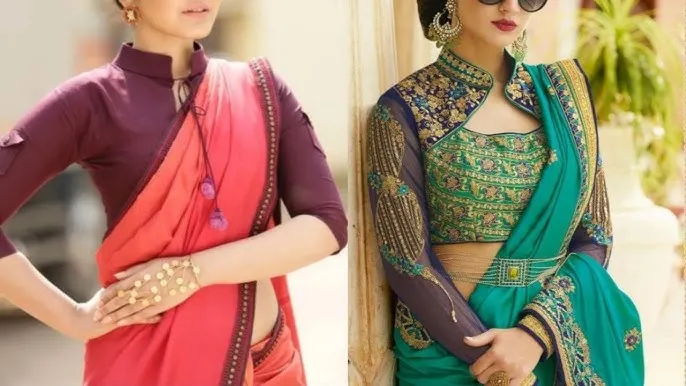
Problem:
High-neck fashion collared or high-neck shirts are stiff and unyielding, especially if worn throughout the day.
Solution:
- Use softer interfacing: Cotton or muslin interfacing is well-ventilated compared to those plastic-based ones.
- Add side or back openings: Don’t restrict the neck as the only opening—side buttons or zippers are easy to wear.
- Limit unnecessary padding: Too much padding slows down free movement without compromising shape.
9. Bra Straps or Pads Revealing
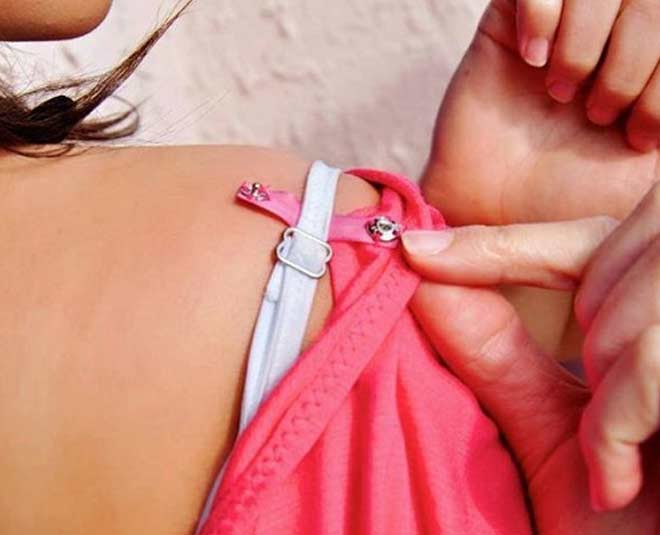
The Problem:
Nothing, bra straps or padded busts showing under a saree, kills the sophistication of a saree.
Solutions
- In-built padding: Add light pads during blouse sewing—remember to match them to your bust size.
- Add modesty panels: A sewn panel of fabric beneath transparent fabrics provides modesty.
- Employ removable cups: They can be taken out or reorganized for each use.
Pro Tip:
Employ seamless, flesh-colored undergarments with light fabrics such as chiffon or georgette.
10. Stretch or Shrinkage of Fabric After-Stitching
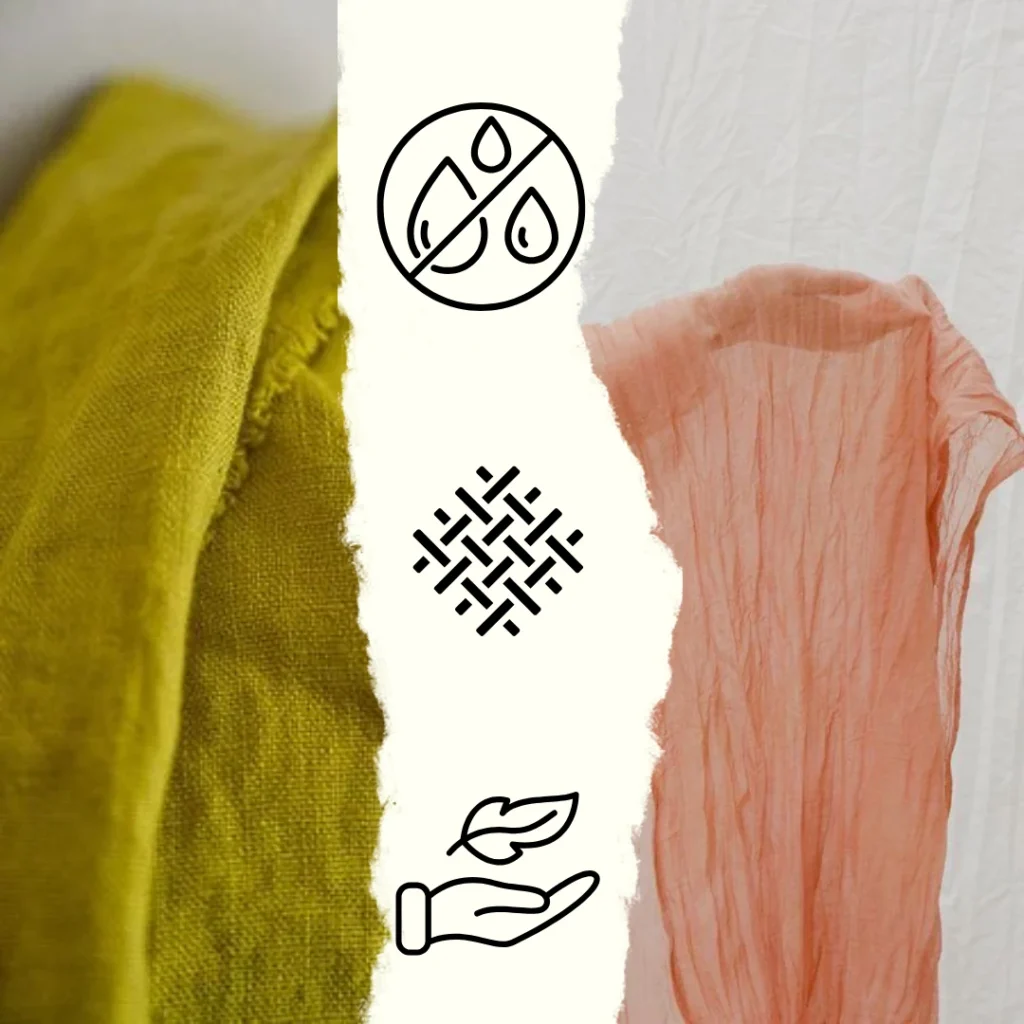
The Problem:
After the blouse has been stitched and worn two or three times, it constrains or expands all of a sudden—chiefly due to properties of materials.
Solution:
- Pre-washing of materials: Pre-wash the fabric, especially the cottons and silks prone to shrinking.
- Stretch seams have to be used: Incorporate a splash of lycra or elastic whenever feasible, especially with work-wear blouses.
- Schedule trial fittings periodically: Do not let too long a time elapse for your final trial fitting because body size or fabric behavior may change.
Advice for Fitting Blouses to Remember
Always have a trial fitting: Never skip the trial session, particularly on special occasions.
Be frank with your tailor: Openly discuss your comfort level and sense of style.
Wear breathable linings: Linings make a huge difference in fit, particularly in warm weather.
Spend money on a good tailor: A good tailor understands about body types and draping dynamics, a worthwhile investment!
Conclusion
Achieving that perfect blouse fit is a mix of quality tailoring, quality styling, and listening to your body. Next time you’re at the blouse fitting standoff, remember this – your body’s not the issue, the blouse needs taming.
With a little of the correct fine-tuning and advice, you can have all blouses conform to you as if designed just for you—because self-confidence is always worth its cost. Survived a fitting nightmare that you braved? Tip us in or post your blouse tips or horror stories with us on social media or comment below. Let’s motivate and inspire one another to look and feel wonderful at each saree occasion!

Simpal Adlakha is a fashion content creator and styling enthusiast based in Delhi. A graduate in BSc Medical Lab Technology from Meerabai DSEU, she blends her scientific precision with a keen eye for ethnic fashion.
From decoding the latest blouse necklines to exploring color pairings for sarees, Simpal brings a practical, personal touch to traditional Indian wear. When she’s not researching trends or writing, she curates minimalist outfit ideas for her Instagram audience.